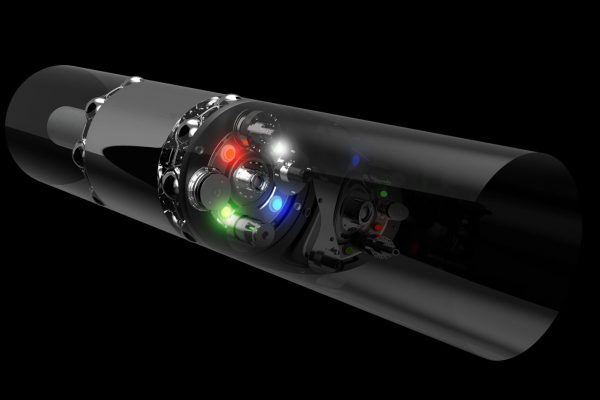
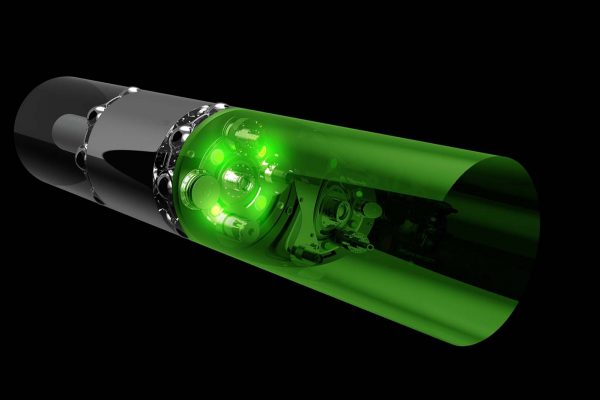
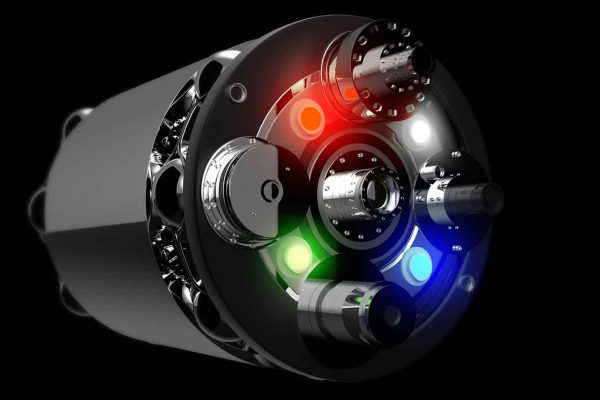
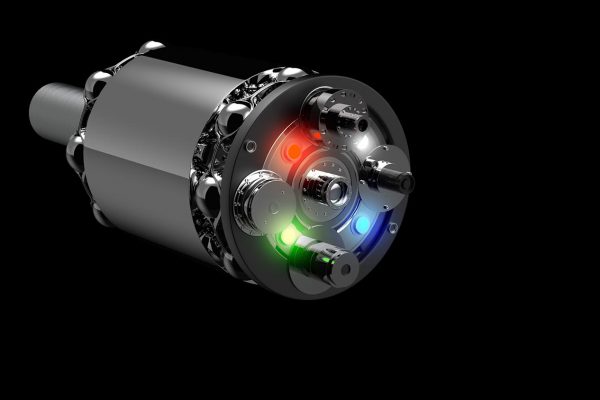
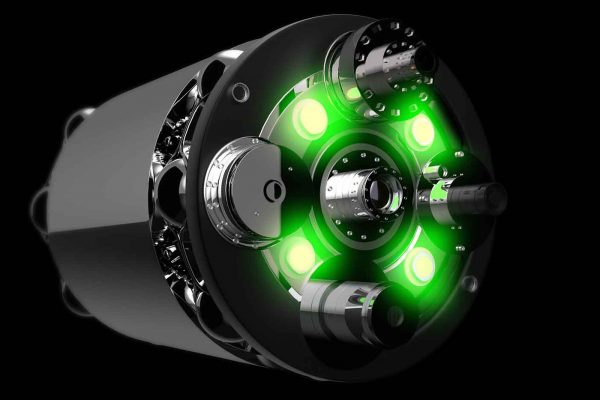
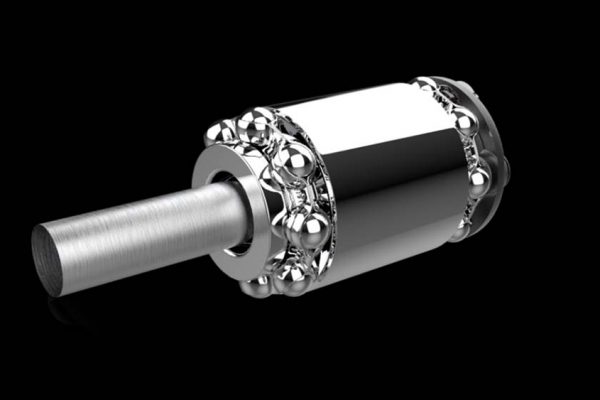
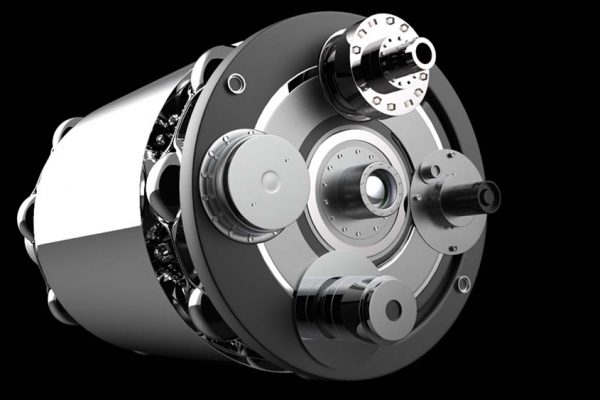
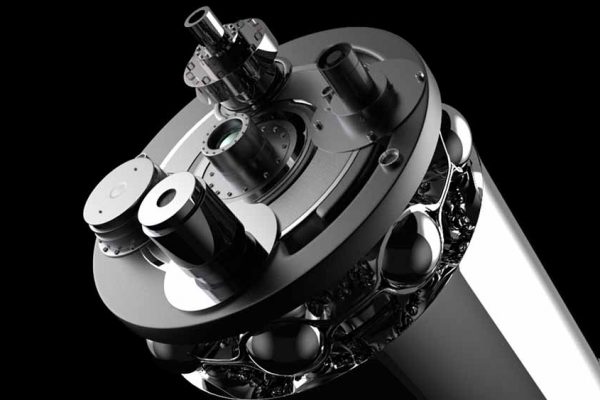
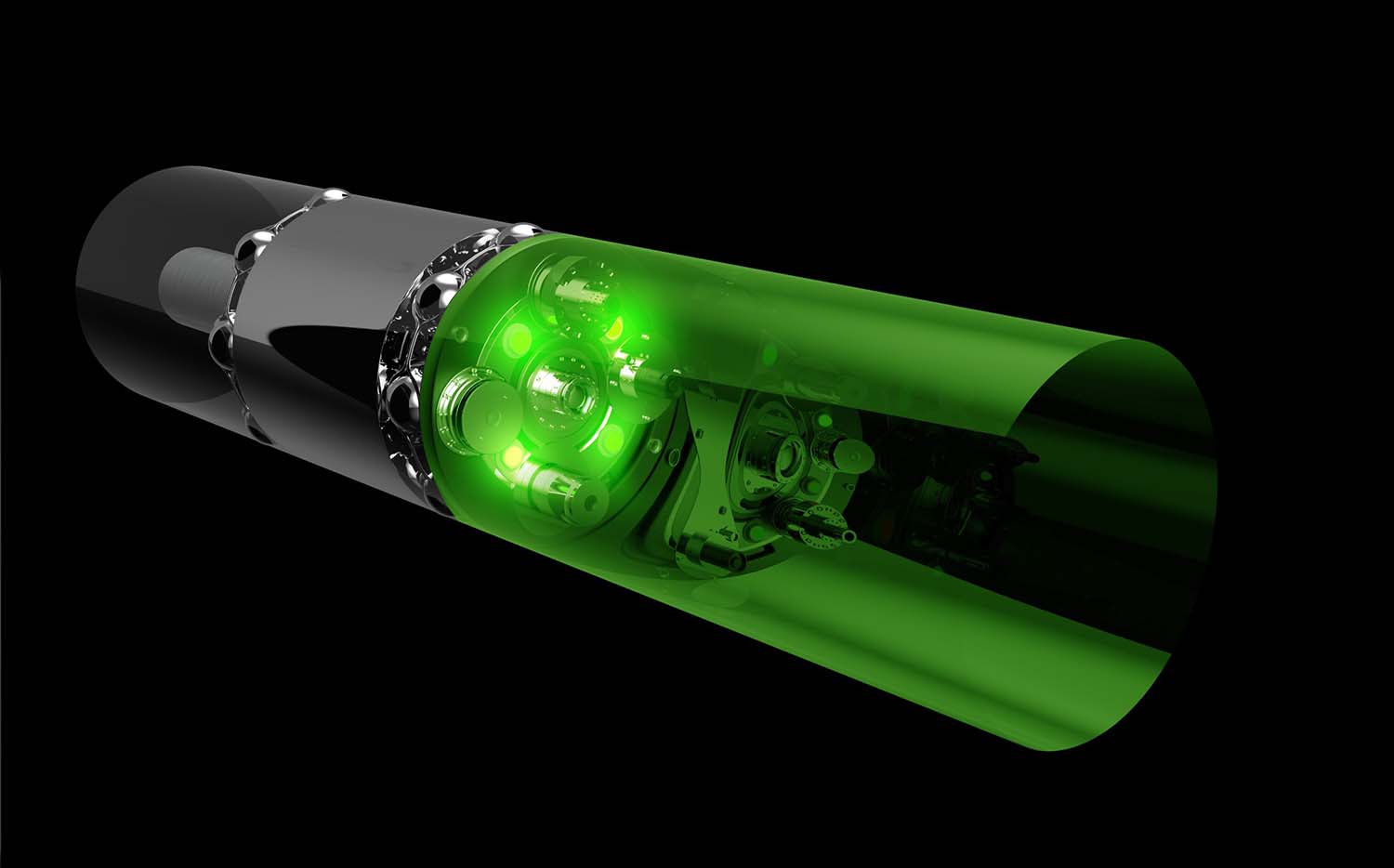
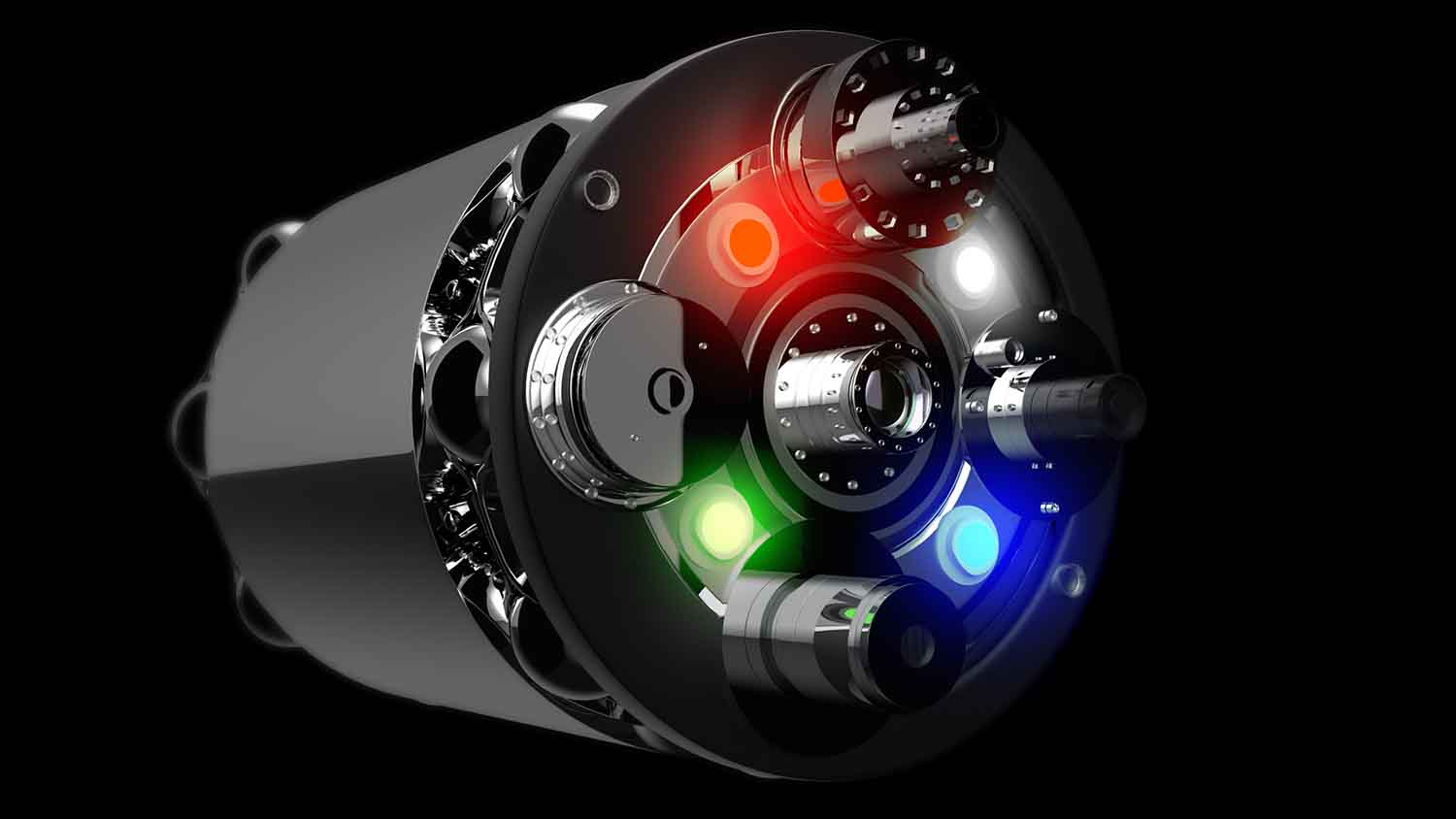
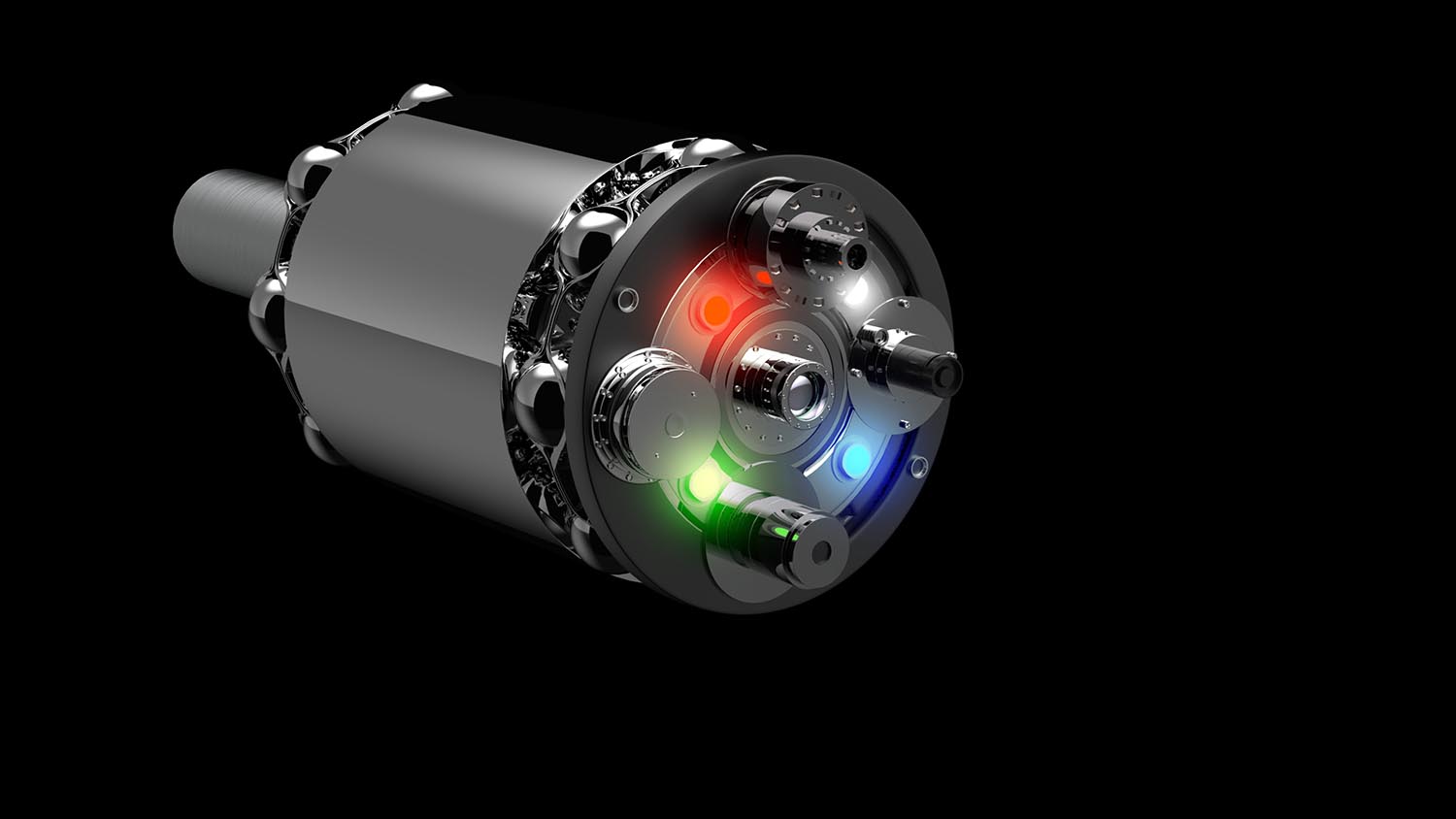
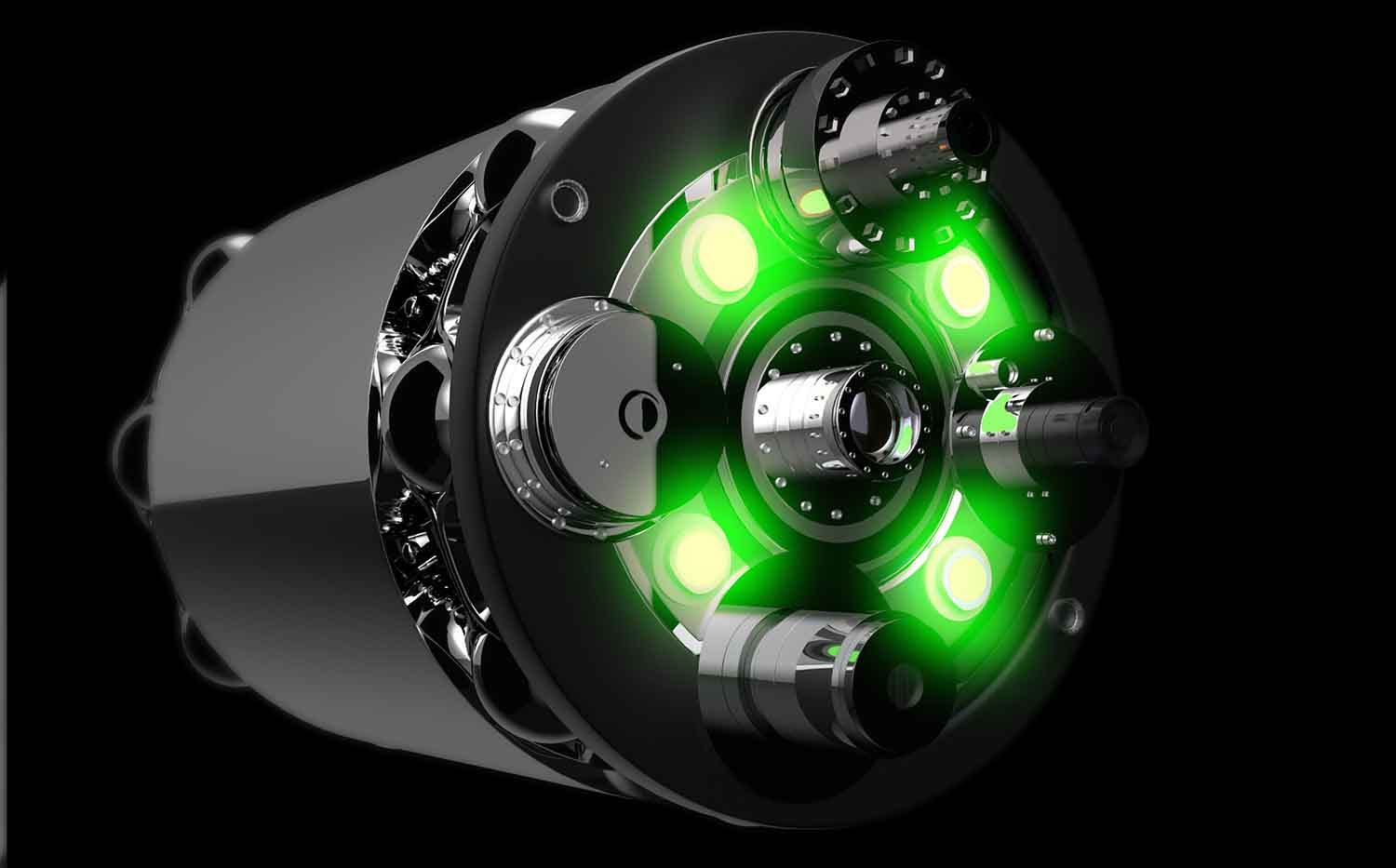
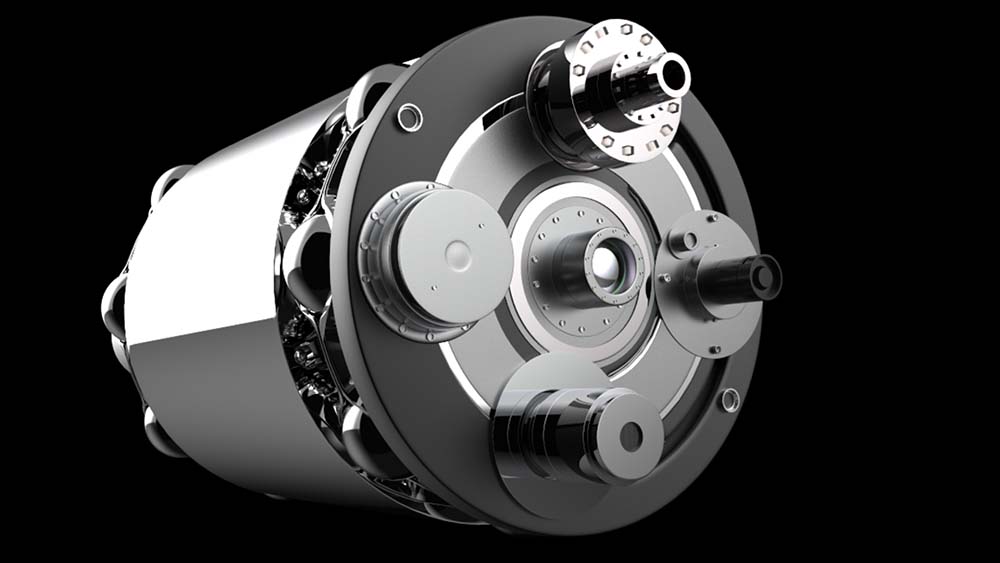
EXCELERATOMETERS™ were created to fill a previously unrealized gap in practical motion-sensing technology: the ability to not only measure movement, but to intelligently contextualize it and broadcast meaningful information outward in real time. Unlike traditional accelerometers, which function solely as passive, internal measurement components, EXCELERATOMETERS™ expand this role by establishing an active, communicative link between a vehicle’s motion and its surrounding environment. Integrated exclusively within the VisoVox platform, these proprietary sensors interpret acceleration, deceleration, coasting behavior, swerving, abrupt directional changes, and transitional motion states. Rather than simply recording data, EXCELERATOMETERS™ translate motion dynamics into predictive, context-aware intelligence that can be externally communicated to nearby vehicles, pedestrians, infrastructure, or connected systems, enabling real-time awareness, anticipatory signaling, and proactive response before uncertainty escalates into danger.
EXCELERATOMETERSTM for Dynamic Broadcast Advancement
EXCELERATOMETERS™ Supports Capabilities and Technical Advantages Over Traditional Accelerometers.
The following section further explains how EXCELERATOMETERS™ differ from conventional accelerometers and why those differences materially enhance safety, situational awareness, and system intelligence.
Unlike traditional accelerometers that merely measure motion, EXCELERATOMETERS™ contextualize acceleration data in real time to recognize behavioral patterns, anticipate emerging risk conditions, and enable proactive safety communication before threats fully materialize. The term EXCELERATOMETERS™ reflects both acceleration awareness and excellence in interpretation and action. These systems are not incremental improvements to existing sensors; they represent an evolved class of motion-intelligence architecture designed to extract maximum situational value from movement data.
Traditional accelerometers operate as passive measurement devices, detecting acceleration, deceleration, gravity, and vibration along one or more axes and converting those forces into electrical signals. While useful, this raw data requires downstream processing by other systems before it becomes meaningful. EXCELERATOMETERS™, by contrast, function as context-aware intelligence layers that analyze, classify, and interpret motion data in real time. This distinction shifts motion sensing from simple measurement to true understanding, transforming how systems respond to movement-based risk.
By correlating acceleration data with time, direction, rate-of-change, persistence, and behavioral patterns, EXCELERATOMETERS™ are able to compare live motion signatures against known profiles such as normal operation, evasive maneuvers, collision onset, rollover risk, pursuit behavior, or abnormal deceleration. This allows benign motion to be distinguished from threat-relevant motion as it develops, rather than after damage has occurred.
Unlike single-sensor accelerometer implementations, EXCELERATOMETERS™ operate as a fused intelligence layer capable of integrating gyroscopic rotation, vehicle dynamics, speed-change gradients, directional vectors, and available environmental or proximity inputs. This multi-sensor fusion enables the detection of intent, not just impact, and allows systems to identify pre-incident behavior, escalation patterns, and emerging instability in real time.
Where accelerometers are commonly used to log events, trigger airbags after thresholds are exceeded, or record impacts post-incident, EXCELERATOMETERS™ are designed to operate upstream of harm. They enable early recognition of loss-of-control conditions, abrupt or aggressive motion, collision probability, and hostile or evasive maneuvers, providing valuable time for warnings, broadcasts, or automated responses while a threat is still forming.
Traditional accelerometers are almost exclusively internal-facing, with their data consumed only by onboard systems. EXCELERATOMETERS™ are communication-enabled by design, allowing motion-derived risk states to be broadcast externally through visual, auditory, or proximity-based alerts. This outward communication capability enables nearby vehicles, pedestrians, and infrastructure to receive “know-before-you-go” awareness, making EXCELERATOMETERS™ particularly powerful within V2X, M2X, A2X, and proximity-based safety ecosystems.